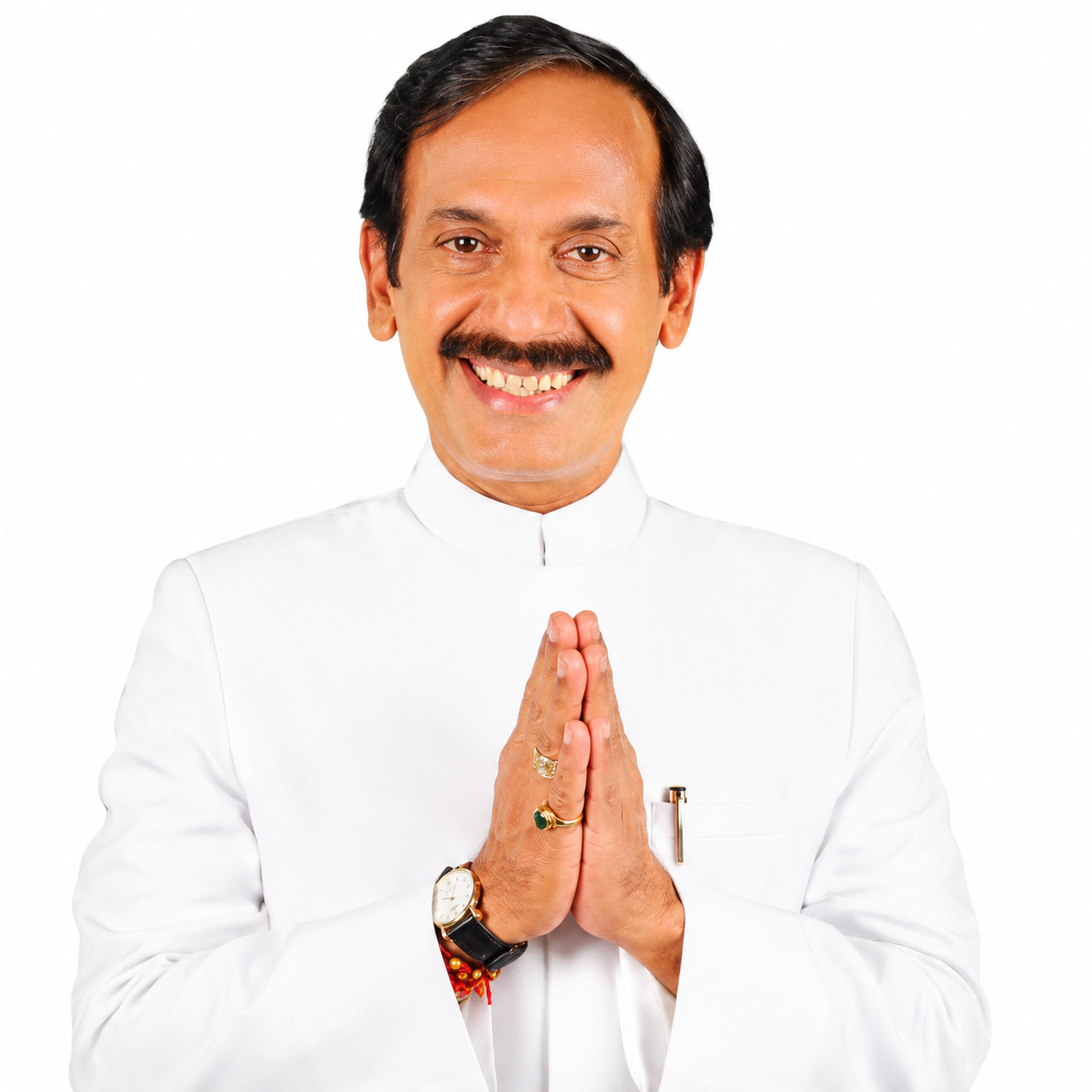
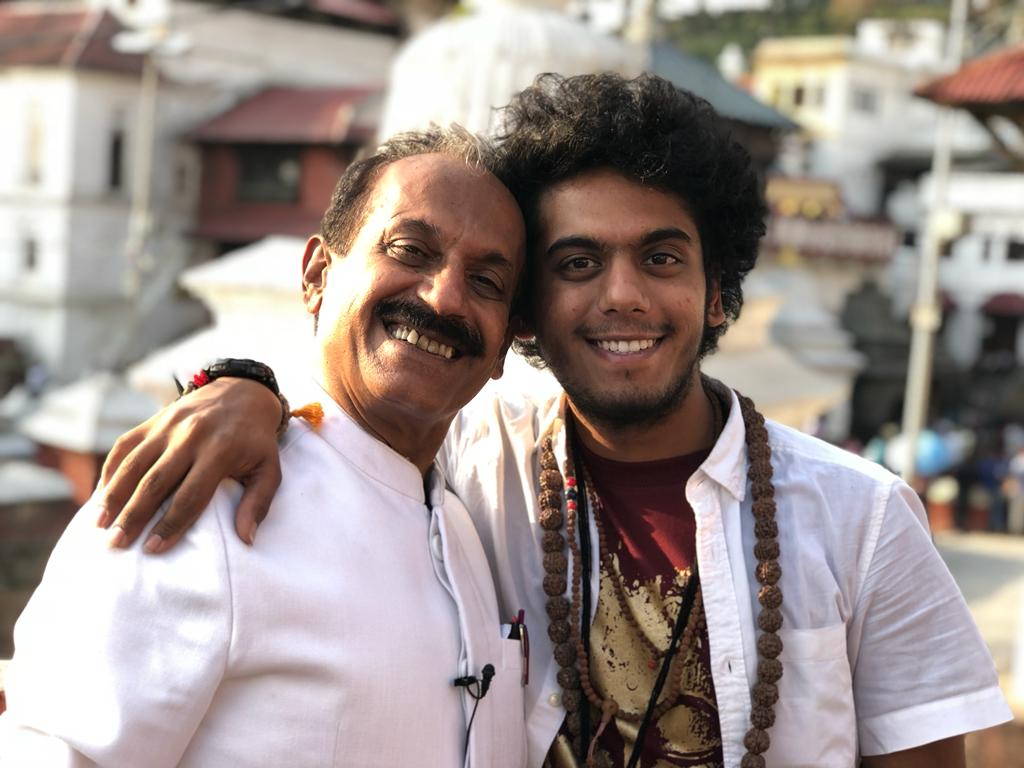
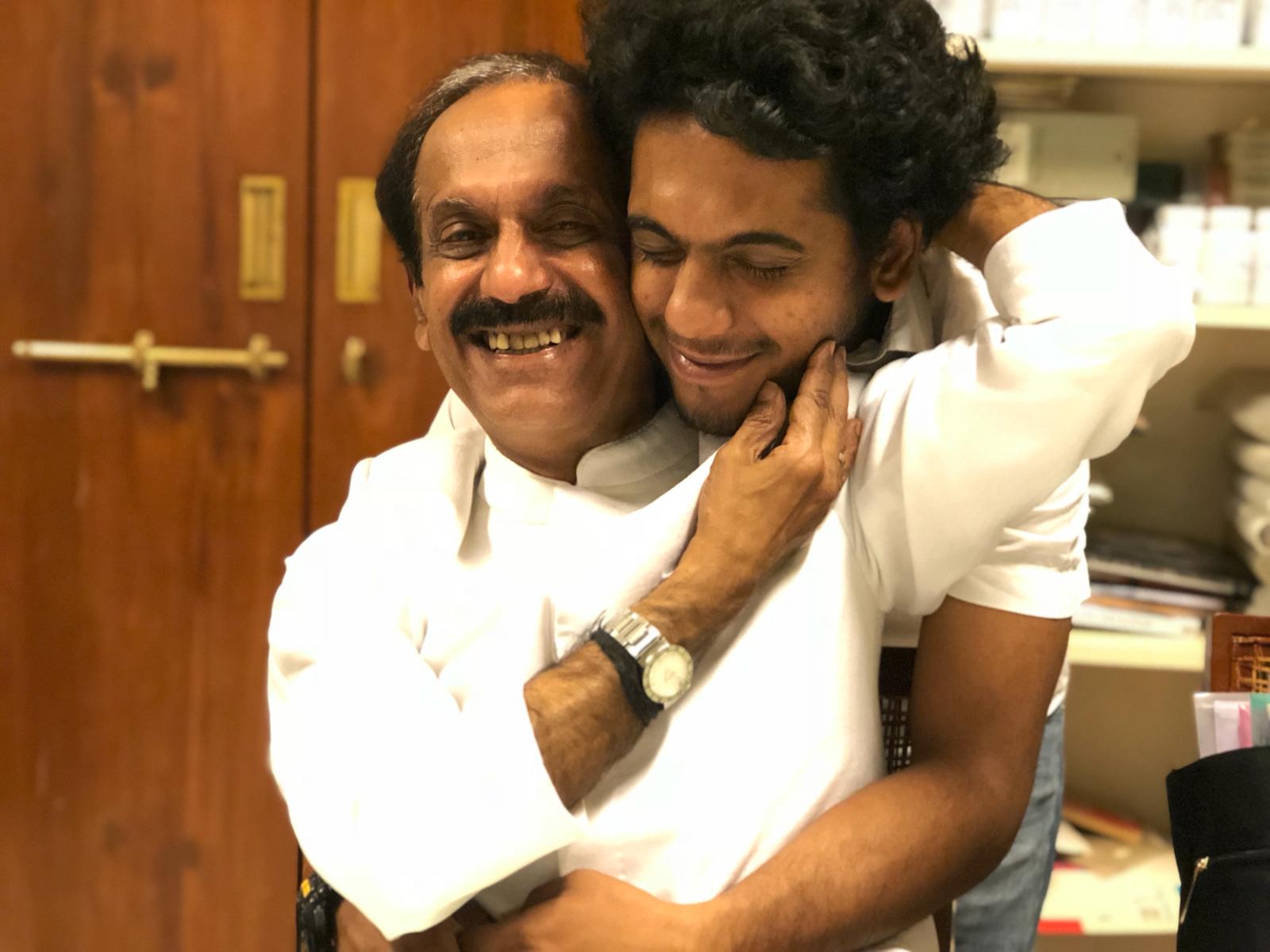
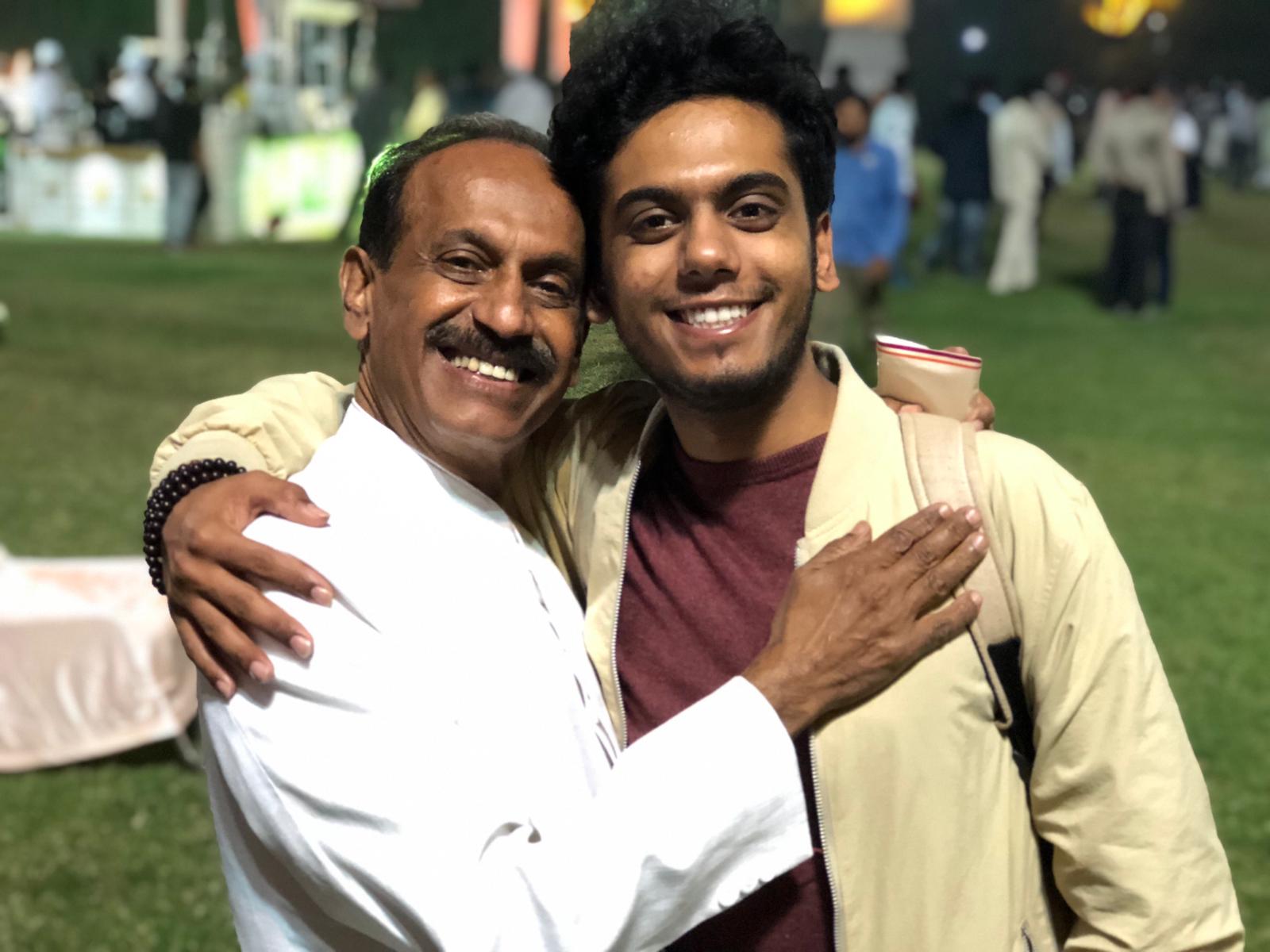
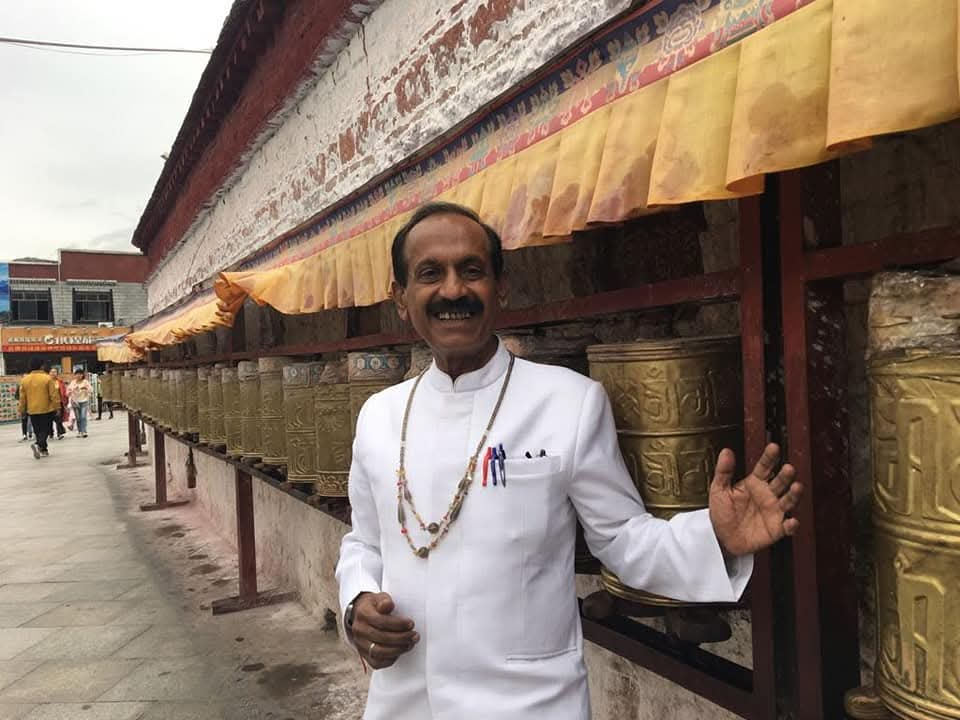
It arrived before he did. Before the pulse. Before a single
word. And somehow, whatever you had carried into the room
felt lighter the moment you saw it.
He listened as if you were the only person in the world.
He did not begin with “What is wrong with you?” He asked
what you wanted. What you loved. What made you happy.
And then, quietly, he found a way to help you get there.
Read his full story
How he healed
He held your wrist with his eyes closed, and the room
went still. Three fingers. A few quiet seconds. He was
not reading a report. He was reading you.
Before his first patient of the day, he would sit alone
and close his eyes. He saw each person calm. He saw them
going home well. By the time you walked in, he had
already been waiting for you.
He healed with what was closest to you. Ginger, cumin,
ajwain, a pinch of salt. What you ate, how you slept,
how you lived. A point on your hand to press when the
world felt too heavy. Simple things, given with such
certainty that you never forgot them.
And he told you a story. Always at the right moment.
You came in afraid, and somewhere in the middle of it,
you were laughing.
How he learned
He stood at his master’s door for 100 days before the
door opened. Then came 1,000 days of training beside
Baba Ramdas, in the ancient Siddha-Veda lineage.
He never stopped being a student. Every night, fifty
to a hundred pages before sleep. Medicine, yes, but
also storytelling, psychology, writing and the human
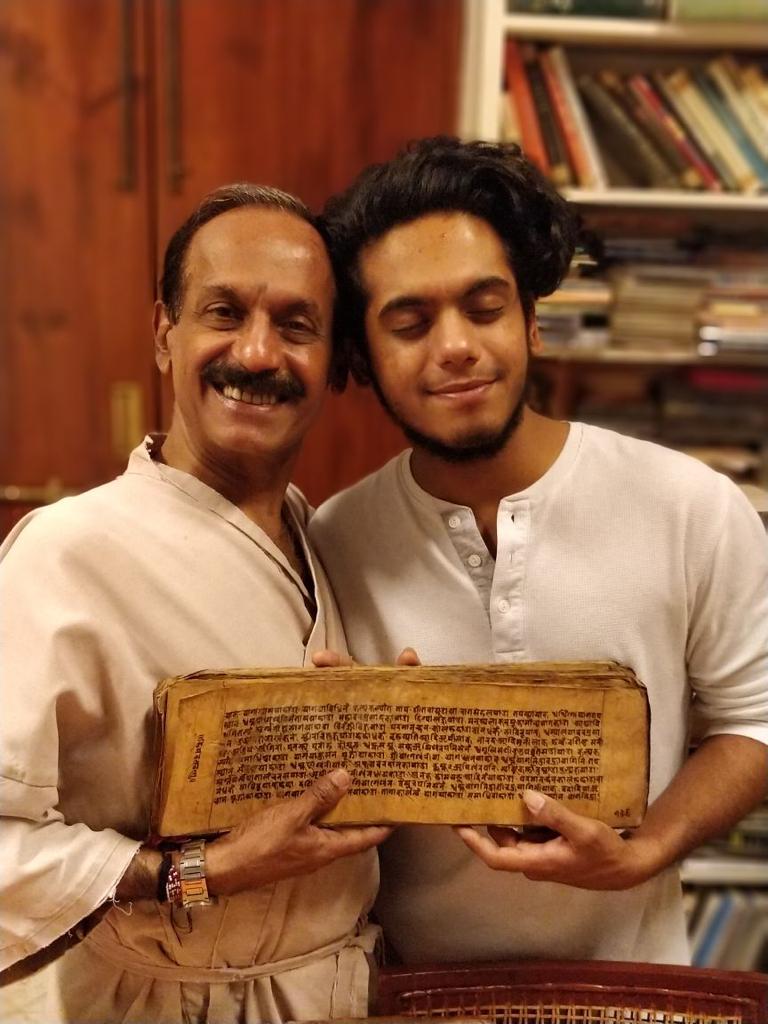
mind. His home was more library than house. He read
old manuscripts like letters written to him.
“First, learn to be a shishya,” he would say.
Knowledge only enters a humble mind.
What he believed
He believed a healer has only one real power: the heart.
Not money. Not position. Not authority. “You touch a
person’s heart, and you stay with them, heart to heart.”
He believed the patient comes first, always.
“My patient is my god. My work is my worship.”
He believed in principles over trends. “Principles are
timeless. Processes change. Stay with the principle,
and the results will not change.”
He believed a good life begins with good questions,
and good rest. “The quality of your life depends on
the quality of your questions and the quality of
your sleep.”
He believed in gratitude. Always.
What he taught us
“Persistence. Preparation. Perspiration.”
Effort over luck, every time.
“Read. Study. Visualise. Perform.”
See it clearly in your mind before you do it.
“The clearer are the goals, the surer are the chances.”
And: “If it’s not on page, it’s not on stage.”
Write it down, then make it real.
“Knowing is not doing. Doing is doing.”
“No does not mean no. It means you have not yet asked
the right person, in the right way.”
Give people ten times more value than they pay for.
Do small things with greatness, and one day you will
do great things.
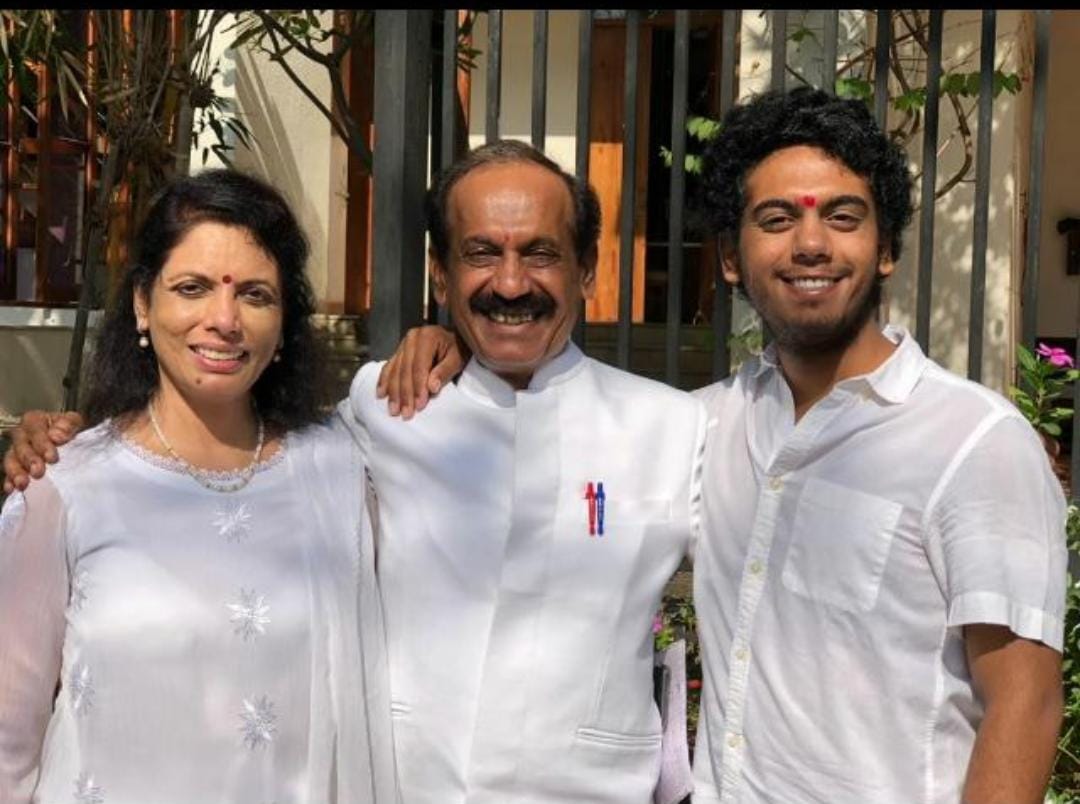
He taught the children of his family on holidays, with
a whiteboard. Three hundred uses for a tyre, to stretch
the mind. A hundred-rupee note to turn into a hundred
coins, to lose the fear of asking. Diyas painted and
sold before Diwali, to learn what value means.
Those children still live by it.
He taught the doctors who came to learn from him,
many of whom gave up more comfortable lives to stand
at his side. They came as students. They stayed to
carry his work forward.
How he lived
He gave all of himself, every time. “Whatever you do,
give it your 1,000%,” he used to say, and he never
asked anyone for more than he gave himself.
He gave away every small decision, even which clothes
to wear, so that all of his mind could arrive for the
person in front of him. Patients in the morning.
Flights to another city in the afternoon. Calls late
into the night, from people who could not wait until
tomorrow. Even in his last winter, injured, his first
words were, “Start my calls. Patients are waiting.”
He never kept score. He did not hold on to anger,
and he never let a grudge live between him and anyone.
His ego never walked into a room before him.
And he did it all with joy. “I am a creator of energy
and giver of energy.” No one remembers him tired.
They remember the laugh.
People came to him sad, mad and afraid.
He sent them home glad.
If you knew him, you know. That was him.